Key takeaways
- Star anise authentication is a species question: Illicium verum is the food spice, Illicium anisatum is not, and dried pods of the two are hard to tell apart by eye.
- Ask for identity on the certificate of analysis, not just for cleanliness figures. A clean lot of the wrong species is still the wrong species.
- HPLC or GC fingerprinting settles it. Anethole belongs in the culinary species; the marker compounds of the toxic one do not.
- Buy against a botanical name and a growing region, and keep a retained sample of every lot you accept.
Star anise authentication is the one check on this material that a buyer cannot skip. The pods that reach a European or North American line are almost always Illicium verum, the Chinese and Vietnamese culinary species. A close relative, Illicium anisatum, looks similar once dried and is not food. Vietnam grows the culinary species at scale in the northern provinces, and the difference between the two is a laboratory question rather than a visual one, which is why it belongs in the specification and on the certificate rather than in the receiving bay.
Two species, one appearance
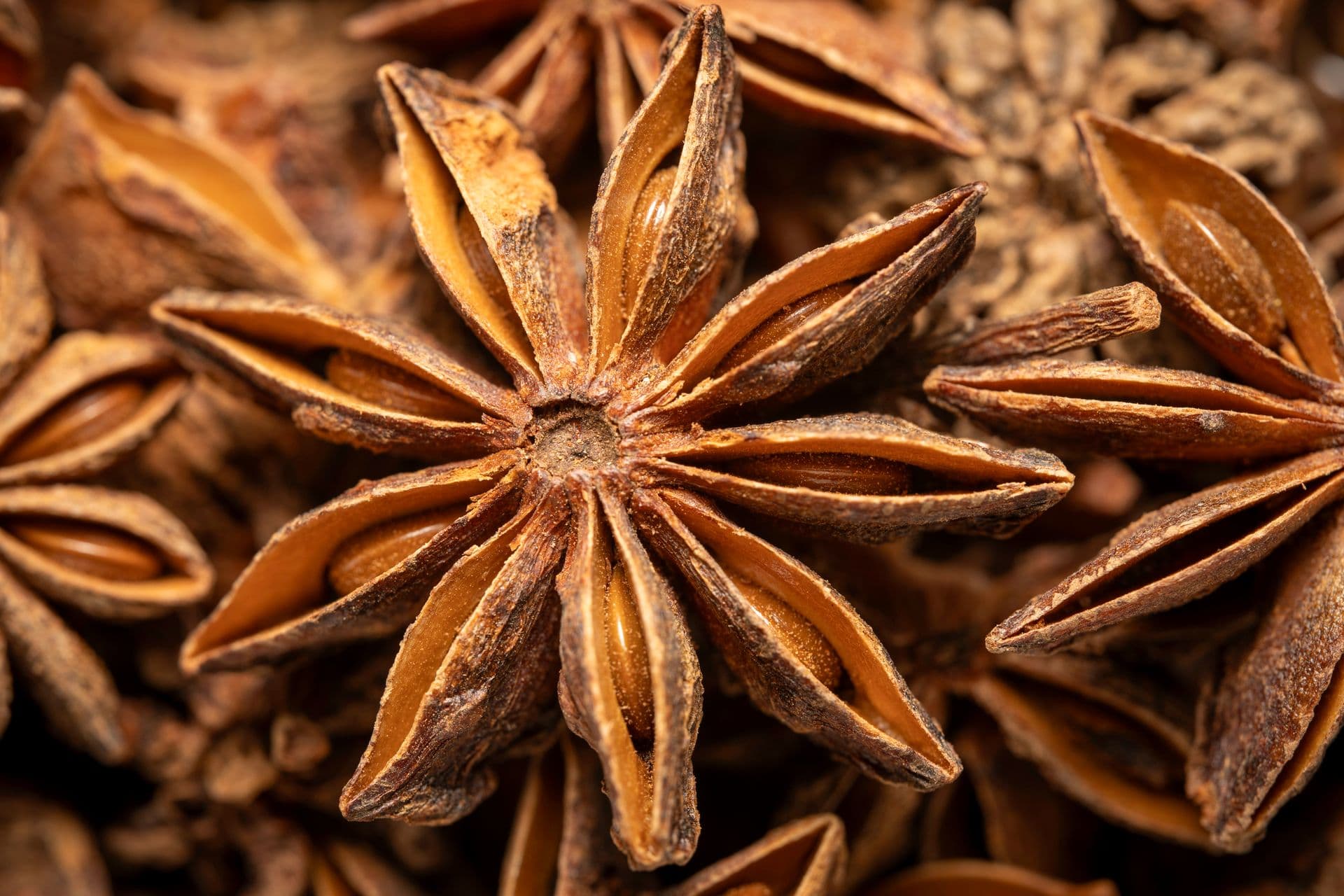
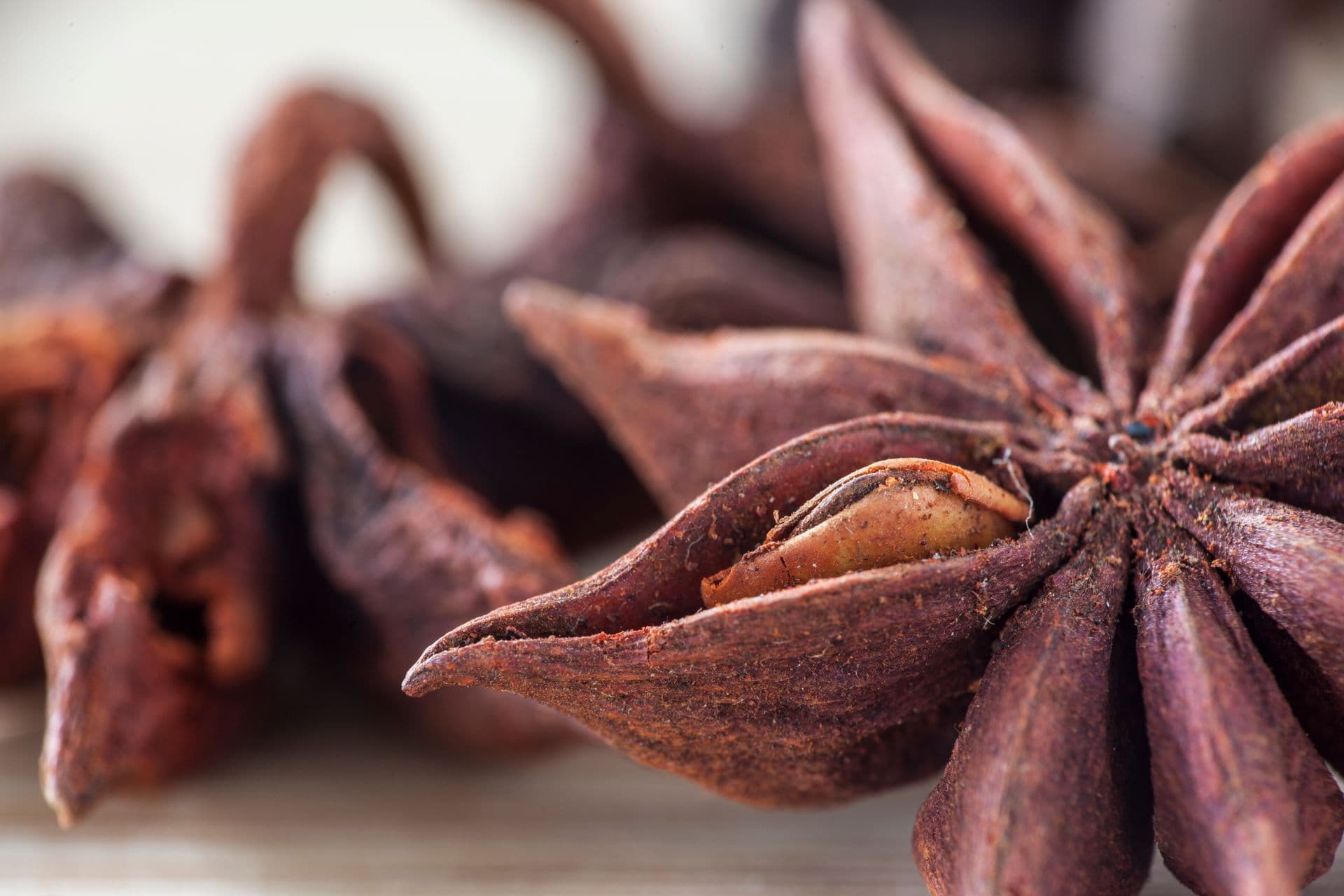
Illicium verum carries eight follicles in a regular star, plump and glossy, with the sweet anise note the spice is bought for. Illicium anisatum is smaller and more shrivelled, its points often uneven, with a weaker aroma that some describe as closer to clove or turpentine. It carries neurotoxic sesquiterpene lactones, anisatin among them, and it has caused illness where it reached a consumer as tea.
Those distinctions hold while the pods are whole and intact. They stop holding as soon as material is broken, and they are gone entirely once it is milled. A buyer receiving whole pods from a known grower has a reasonable first look; a buyer receiving pieces or powder from an open trade lot has nothing to look at. Adulteration in this trade is usually economic rather than deliberate, a cheaper crop finding its way into a mixed lot somewhere up the chain, but the outcome in a finished product is the same either way.
This is worth stating plainly because visual inspection is often written into a receiving procedure as though it settles the question. It does not. It filters obvious problems and it tells you whether the lot matches the sample you agreed. What it cannot do is confirm a species, and a procedure that treats it as though it can leaves the real check undone.
What the tests actually show
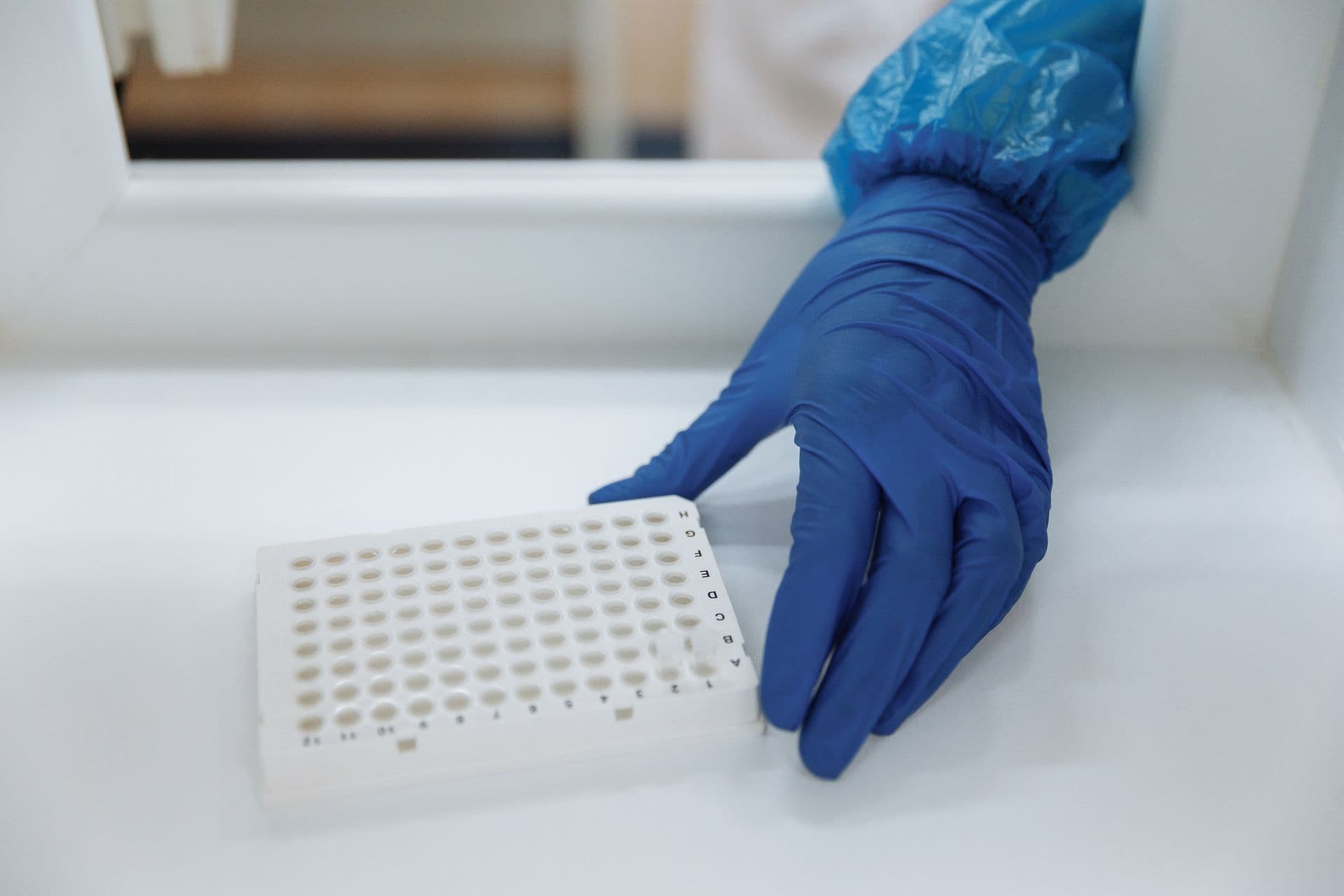
Identity is established by chromatography rather than by a moisture figure or a cleanliness panel. A GC or HPLC profile of the essential oil shows anethole dominating in the culinary species, typically the large majority of the oil, and the marker compounds of the toxic relative absent. Ask the laboratory to report the method it used and the markers it looked for, not simply a pass. A certificate that says the word identity and nothing else is a claim, not a result.
DNA barcoding is available and is the stronger answer where a lot has already been milled, because it does not depend on the oil surviving processing. It costs more and takes longer than a chromatographic screen, which is why it tends to be reserved for material whose form makes the cheaper test unreliable, or for a supplier being qualified for the first time. The European Food Safety Authority has published on botanical identity in food supplements, and its framing is a useful reference when writing the clause into a contract rather than inventing wording from scratch.
Whichever method is used, the frequency matters as much as the method. Identity on the first lot from a new supplier and nothing after it tells you about that lot. Botanical material is agricultural, its chain has more hands in it than a manufactured input, and the risk does not sit in the relationship. It sits in the lot.
What a clean profile looks like
The published GC/MS profile for the culinary species is lopsided, which is what makes it useful. In one hydro-distilled sample of Illicium verum, twenty-four components accounted for 92.55 per cent of the oil, and (E)-anethole alone was 83.68 per cent of it, against 3.19 per cent limonene and 0.71 per cent alpha-pinene. A chromatogram that does not look roughly like that is asking a question, whatever the pods look like.
Read it as one profile rather than as a specification. Reported anethole content moves with origin, harvest and extraction method, so the useful comparison is not against a fixed percentage but against the shape: one compound dominating, the minor terpenes where you expect them, and nothing large that should not be there. A laboratory that reports the full profile lets you make that judgement. One that reports a pass does not, which is why the method belongs in the specification alongside the parameter. Ask for the chromatogram itself on a first lot from any new supplier, and keep it: the second lot is far easier to judge against the first than against a number in a textbook, and a profile that drifts between shipments from the same origin is worth a question before it is worth a rejection.
What to put on the specification
State the botanical name in full, name the growing region, and require identity confirmation per lot with the method written out. Add the cleanliness figures you would ask of any dried botanical: moisture, ash, acid insoluble ash, foreign matter, and the pesticide and heavy metal panels your destination market requires. Name the form you are buying, whole or broken or milled, and say what proportion of broken material you will accept, because that proportion is where a lot quietly changes character.
Say who retains samples and for how long. A retained sample from every accepted lot is the cheapest insurance in the trade: it is what lets a question asked six months later be answered rather than argued. Say what happens when a result comes back outside specification, and say it before you need it. A specification that names the species but does not say how it will be confirmed leaves the question open at exactly the point where it matters, which is the lot you have already paid for.
Say how the retained sample is kept, as well. A sample held on a warm office shelf loses oil at a rate the container never did, so within a season it stops being evidence about the lot and becomes evidence about your storage. Keep it sealed, keep it in the dark, keep it at the conditions the specification names for the goods, and label it with the lot number, the date it was drawn and the date the goods were received. A retained sample nobody can tie back to a shipment settles no argument at all.
Moisture deserves its own line. Star anise arriving above its specified moisture will not simply be heavier than it should be; it will move toward mould in the container and it will lose oil in whatever drying is done to correct it. Specify the figure, specify the method used to measure it, and specify the point at which it is measured, because a figure taken at the mill and a figure taken at your gate can differ honestly.
Where Vietnamese star anise comes from
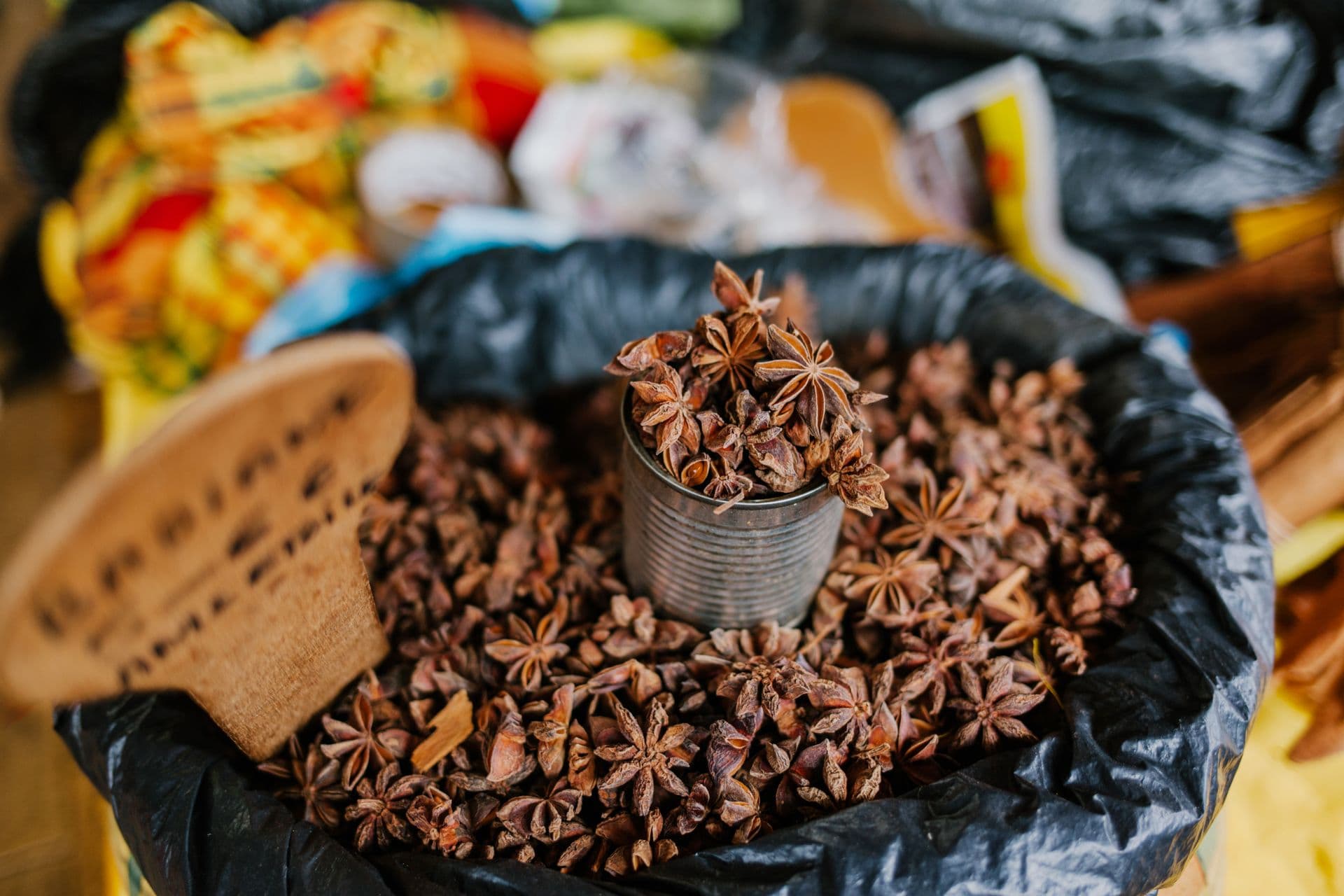
The Vietnamese crop is concentrated in Lang Son and the provinces around it, in a growing area that has supplied the trade for a long time. It is harvested in two windows, spring and autumn, and the autumn crop is the one that carries the fuller oil, which is why buyers who care about oil content ask when a lot was picked rather than only when it was shipped. Vietnamese exporters price the two separately for that reason.
Buying against a named region rather than against a country gives the supplier something specific to answer for, and it gives you a reference point when a later lot behaves differently on your line. It also shortens the chain. Material bought as origin unspecified has usually passed through more hands, and every additional hand is a place where a cheaper crop can enter a lot without anyone intending it. Our catalog of whole and milled botanicals lists the forms we supply, and the trade desk quotes against a specification rather than against a description.
Buying whole rather than milled
Where a process allows it, buying whole pods and milling in house removes most of the identity risk at a stroke. It costs a milling step and it costs storage volume, and it is not open to everyone. But it moves the check to a point where a visual inspection still means something, it keeps the oil in the material for longer, and it puts the grinding under your own control rather than someone else's.
Where milled material is the only practical form, the answer is not to give up on identity but to buy it differently: qualify the supplier properly, require the stronger test, and shorten the chain as far as commercial terms allow. The cost of a barcoding test on a container is small against the cost of a recall, and it is very small against the cost of a customer finding the problem first.
What a first order should look like
Ask for a representative sample before the order, not a hand picked one, and say in writing that is what you are asking for. Agree the specification against that sample. Require the identity result with the pre shipment documents rather than after arrival, so that a problem is a shipping decision instead of a disposal decision. Keep the retained sample. Ask for the harvest window and the region on the offer.
None of this is unusual and none of it is expensive. It is the ordinary discipline of buying an agricultural input against a specification, applied to a spice where the failure mode happens to be a species rather than a number. The buyers who have trouble with star anise are almost never the ones who asked these questions and got unsatisfying answers. They are the ones who did not ask, because the pods looked right and the price was good and nobody in the chain had any reason to raise it.
FAQ
How is star anise authentication actually done?
By chromatography. A GC or HPLC profile of the essential oil shows anethole dominating in Illicium verum and none of the marker compounds of Illicium anisatum. DNA barcoding is the stronger option for milled material.
Is Vietnamese star anise the toxic species?
No. Vietnam grows Illicium verum, the culinary species, mainly in Lang Son and the provinces around it. The toxic relative is a contamination and adulteration risk rather than the crop itself.
Can I tell the two species apart by eye?
Not reliably. Whole pods differ in size, plumpness and aroma, but the distinctions blur once material is dried, broken or milled, which is most of what reaches a processor.
What should the certificate of analysis say?
It should state the botanical name, the identity method used and the markers checked, alongside the usual moisture, ash, foreign matter, pesticide and heavy metal figures for your destination market.
Read next
Related: our product range